

Introduction to Rue de Verneuil
Rue de Verneuil is one of those Parisian streets that perfectly captures the elegance, history, and artistic spirit of the French capital. Located in the heart of the Left Bank, this relatively quiet street has earned a special place in the cultural landscape of Paris. While it may not be as famous as the Champs-Élysées or as crowded as some of the city’s major attractions, Rue de Verneuil offers visitors an authentic glimpse into Parisian life.
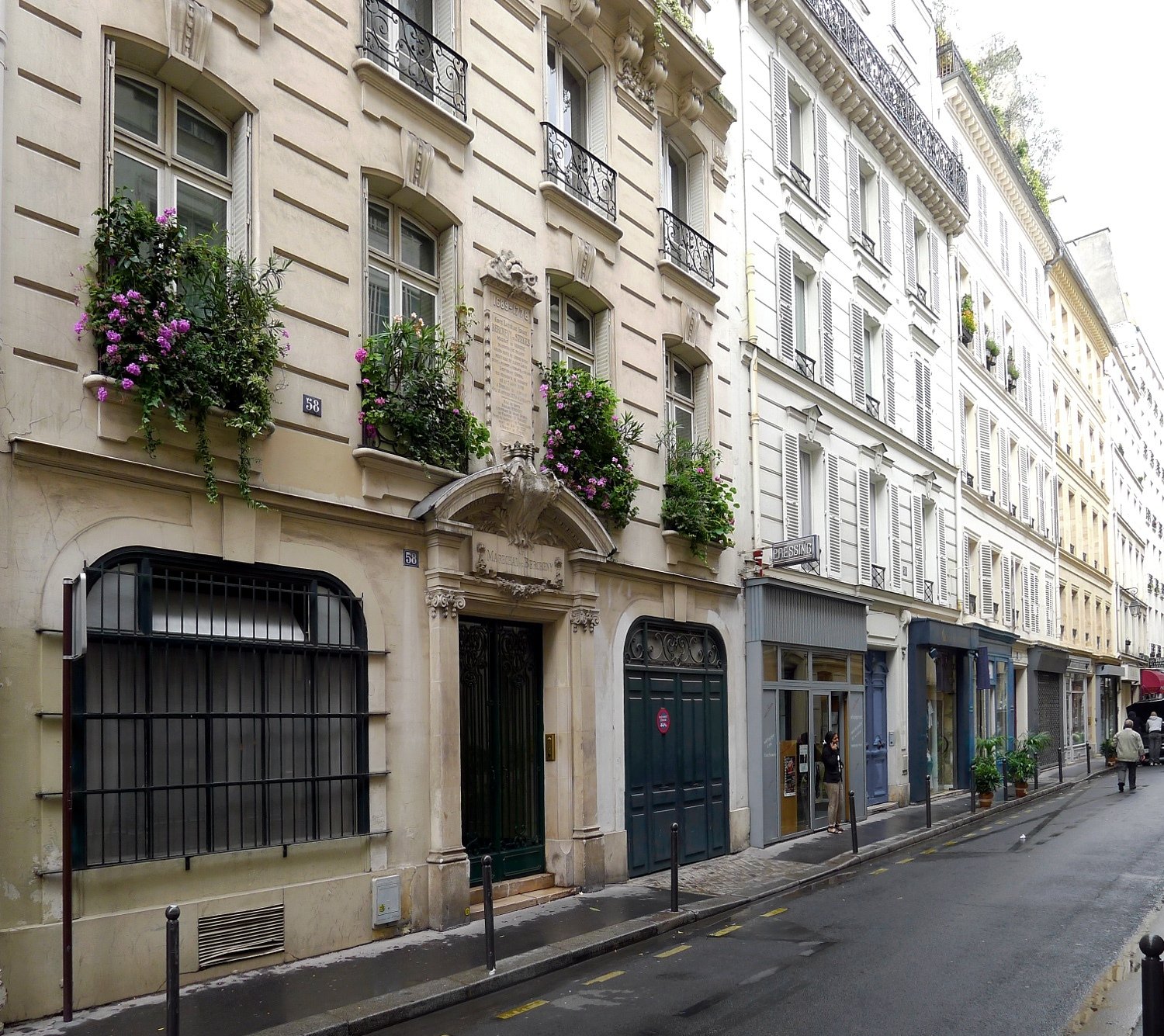
Walking along Rue de Verneuil feels like stepping into a different era. The street is lined with beautiful historic buildings, charming doorways, and architectural details that reflect centuries of Parisian history. Unlike many modern urban areas, it has managed to preserve much of its original character, making it a favorite destination for history enthusiasts, photographers, and travelers seeking a more intimate experience.
Over the years, Rue de Verneuil has become associated with art, music, and culture. Its reputation extends beyond its physical beauty, thanks to the notable figures who have lived and worked there. As a result, the street represents more than just a location—it serves as a symbol of creativity and timeless Parisian charm.
The Historical Background of Rue de Verneuil
Like many streets in Paris, Rue de Verneuil has a long and fascinating history. The street dates back several centuries and has witnessed numerous changes throughout the development of the city. Despite urban transformations that have affected many neighborhoods, Rue de Verneuil has retained much of its historical atmosphere.
The area surrounding the street was once home to aristocrats, intellectuals, and influential members of French society. During different periods of French history, residents of the neighborhood played important roles in politics, literature, and the arts. These historical connections contribute significantly to the street’s unique identity today.
As Paris expanded and modernized, Rue de Verneuil adapted while preserving its heritage. Many of the buildings still showcase classic Parisian architecture, offering visitors a visual connection to the city’s past. This balance between preservation and evolution is one of the reasons why the street remains so admired by both locals and tourists.
Architectural Beauty and Parisian Character
One of the most striking aspects of Rue de Verneuil is its architecture. The street features elegant facades, wrought-iron balconies, and beautifully preserved buildings that reflect traditional Parisian design. Every corner seems to tell a story, making the street a rewarding place for those who appreciate architectural detail.
The buildings along Rue de Verneuil display a blend of styles that developed over different historical periods. While many structures maintain a classic appearance, subtle variations in design reveal the influences of changing artistic and architectural trends. This variety creates visual interest without disrupting the street’s harmonious atmosphere.
Beyond individual buildings, the overall character of the street contributes to its appeal. Narrow sidewalks, charming entrances, and carefully maintained exteriors create an inviting environment. The street feels elegant without being overly formal, offering a balance that many visitors find particularly attractive.
Rue de Verneuil and Its Cultural Significance
Rue de Verneuil occupies a special place in Parisian cultural history. The street has long attracted artists, musicians, writers, and creative thinkers who found inspiration in its peaceful surroundings and intellectual atmosphere. This artistic legacy continues to shape its reputation today.
Many visitors are drawn to Rue de Verneuil because of its connection to notable cultural figures. Throughout the years, the street has been associated with individuals who left a lasting impact on French and international culture. Their presence helped transform the area into a symbol of artistic expression and creativity.
Cultural significance is not always measured by major landmarks or large institutions. Sometimes it is found in the atmosphere of a place and the stories connected to it. Rue de Verneuil demonstrates how a relatively modest street can become an important part of a city’s cultural identity through the people and events associated with it.
The Connection Between Rue de Verneuil and Serge Gainsbourg
Perhaps the most famous association linked to Rue de Verneuil is its connection to the legendary French singer, songwriter, and artist Serge Gainsbourg. His residence on the street became one of the most recognized cultural landmarks in Paris, attracting admirers from around the world.
Even years after his passing, the house continues to generate interest among fans. The exterior became famous for the artwork, messages, and tributes left by visitors who wished to honor his influence on music and popular culture. This transformed the location into an unofficial pilgrimage site for music enthusiasts.
The connection between Serge Gainsbourg and Rue de Verneuil demonstrates how individuals can shape the identity of a place. While the street was already historically significant, its association with one of France’s most influential artists elevated its international profile and added another layer to its cultural story.
Experiencing Rue de Verneuil as a Visitor
For travelers exploring Paris, Rue de Verneuil offers a refreshing alternative to the city’s more crowded tourist destinations. The street encourages visitors to slow down and appreciate the finer details of their surroundings. Rather than rushing from one attraction to another, people can enjoy a more relaxed and authentic experience.
Walking through the area provides opportunities to observe everyday Parisian life. Residents, local businesses, and historic architecture combine to create an atmosphere that feels genuine and welcoming. This authenticity is one of the reasons many visitors remember Rue de Verneuil long after their trip has ended.
Photography enthusiasts also find plenty of inspiration on the street. The architectural details, charming facades, and artistic elements create countless opportunities for memorable photographs. Every season brings a slightly different perspective, ensuring that each visit feels unique.
Why Rue de Verneuil Represents the Spirit of Paris
Paris is often described as a city of beauty, culture, and history, and Rue de Verneuil embodies all three qualities. It captures the essence of what many people imagine when they think of the French capital: elegant streets, artistic heritage, and timeless charm.
Unlike highly commercialized areas, Rue de Verneuil maintains a sense of intimacy and authenticity. It demonstrates that some of the most meaningful travel experiences occur away from the busiest attractions. By preserving its character, the street continues to offer a genuine connection to Parisian culture.
The enduring appeal of Rue de Verneuil lies in its ability to blend history with everyday life. It is not simply a historical site frozen in time. Instead, it remains a living part of the city, where the past and present coexist in a way that feels natural and inspiring.
The Lasting Appeal of Rue de Verneuil
The popularity of Rue de Verneuil continues to grow as more travelers seek authentic cultural experiences. Modern tourists increasingly value destinations that offer depth, history, and character rather than simply providing entertainment. Rue de Verneuil meets these expectations exceptionally well.
Its combination of historical significance, architectural beauty, and artistic connections creates a multifaceted experience that appeals to a wide range of visitors. Whether someone is interested in history, architecture, music, photography, or simply exploring Paris on foot, the street has something meaningful to offer.
As cities around the world become more modernized, places like Rue de Verneuil become even more valuable. They serve as reminders of cultural heritage and demonstrate the importance of preserving unique urban spaces for future generations.
Conclusion
Rue de Verneuil is far more than a simple street in Paris. It is a place where history, architecture, culture, and creativity come together to create a truly memorable experience. Its quiet elegance and rich heritage make it one of the most fascinating streets in the French capital.
From its historical roots and architectural beauty to its connection with influential cultural figures, Rue de Verneuil offers countless reasons for admiration. It represents a side of Paris that is both sophisticated and authentic, allowing visitors to experience the city beyond its most famous landmarks.
For anyone seeking a deeper understanding of Paris and its cultural legacy, Rue de Verneuil deserves a place on the itinerary. Its timeless charm, artistic significance, and welcoming atmosphere ensure that it remains one of the city’s most treasured destinations.