

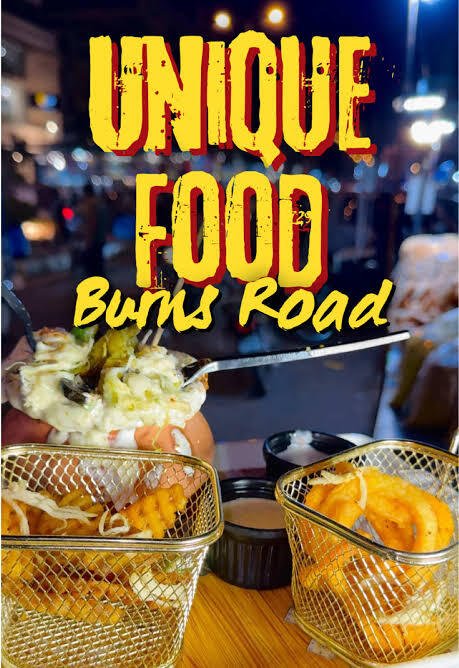
Road food is more than just a quick meal grabbed during a trip. It represents the culture, traditions, and authentic flavors of a place. Whether you’re driving across the countryside, exploring a bustling city, or taking a long highway journey, Road food offers an unforgettable culinary experience that connects travelers with local communities. From sizzling barbecue stalls to freshly prepared snacks sold from roadside carts, every destination has its own specialties waiting to be discovered.
Unlike expensive restaurant dining, road food often delivers authentic recipes passed down through generations. The ingredients are usually fresh, the preparation is done right in front of customers, and the atmosphere creates a memorable experience that can’t be replicated elsewhere. This guide explores everything you need to know about road food, why it has become so popular, and how you can enjoy it safely while traveling.
What Is Road Food?
Road food refers to meals, snacks, and beverages that are sold along highways, roadsides, local streets, food trucks, and small family-owned stalls. These foods are designed to be convenient for travelers while still offering delicious flavors and satisfying portions.
One of the biggest reasons people enjoy road food is its authenticity. Roadside vendors often prepare recipes that have been part of their family traditions for decades. Instead of mass-produced meals, customers receive freshly cooked dishes that reflect local ingredients and regional cooking styles. This creates an experience that is both personal and memorable.
Road food also serves as a cultural introduction to a destination. Travelers can learn about local customs simply by tasting regional dishes. Every stop along a journey becomes an opportunity to discover something new, making the trip itself just as exciting as the destination.
Why Road Food Has Become So Popular
The popularity of road food has grown significantly over the past decade. Social media, travel blogs, and food influencers have inspired millions of people to explore local roadside cuisine instead of relying solely on chain restaurants.
One major advantage is affordability. Most roadside vendors offer generous portions at prices that are much lower than traditional restaurants. This allows travelers to enjoy multiple local specialties without spending a large amount of money. Budget-conscious tourists especially appreciate the value that road food provides.
Another reason for its popularity is freshness. Many vendors prepare food only after customers place their orders. Watching meals being cooked over open flames, grilled on hot plates, or fried in front of you adds excitement to the dining experience. Fresh preparation often results in better taste and texture compared to pre-packaged fast food.
Additionally, road food offers incredible variety. Every region has its own signature dishes, ensuring that travelers rarely eat the same meal twice. This diversity makes every road trip feel like a culinary adventure.
Popular Types of Road Food Around the World
Road food varies greatly depending on the country and local culture. However, several categories remain popular across different regions.
Grilled foods are among the most common roadside options. Skewered meats, roasted vegetables, grilled seafood, and barbecue dishes attract travelers with their smoky aroma and rich flavors. Vendors often use traditional marinades that enhance the taste while preserving local culinary traditions.
Fried snacks are another favorite choice. Crispy potatoes, fried chicken, vegetable fritters, dumplings, and stuffed pastries provide quick and satisfying meals for people on the move. These items are convenient to carry and can be enjoyed without formal dining arrangements.
Many roadside vendors also specialize in fresh beverages and desserts. Fresh fruit juices, smoothies, tea, coffee, shaved ice, and local sweets help travelers stay refreshed during long journeys. Seasonal fruits often become the highlight of roadside markets, offering natural flavors that differ from supermarket produce.
The Cultural Importance of Road Food
Road food is deeply connected to local identity and heritage. Many roadside recipes have been preserved for generations, allowing families to share their traditions with visitors from around the world.
When travelers purchase road food, they directly support small businesses and local economies. Unlike large restaurant chains, roadside vendors often depend entirely on daily customers to sustain their livelihoods. Every meal purchased helps preserve traditional cooking methods while contributing to community development.
Road food also creates opportunities for cultural exchange. Conversations between travelers and vendors often lead to stories about family recipes, local history, and regional customs. These interactions make travel more meaningful because visitors experience the destination through the people who live there.
Furthermore, food festivals and roadside markets frequently celebrate regional cuisine, attracting tourists while promoting local agriculture and culinary traditions. Such events strengthen community pride and encourage younger generations to preserve their food heritage.
Tips for Choosing Safe and Delicious Road Food
While road food can be incredibly enjoyable, making smart choices helps ensure a pleasant experience. Paying attention to cleanliness and food preparation is one of the most important factors.
Look for vendors with a steady flow of customers. Busy stalls usually indicate fresh food and good reputation. High customer turnover means ingredients are regularly replaced, reducing the risk of food sitting out for long periods.
Observe how the food is prepared. Vendors who maintain clean cooking surfaces, wear gloves when necessary, and store ingredients properly generally provide safer meals. Freshly cooked food served hot is usually a better choice than items left uncovered for extended periods.
Drinking bottled water and choosing freshly prepared beverages can also help avoid health issues during travel. If you’re trying unfamiliar dishes, start with smaller portions to see how your body responds before ordering larger meals.
Benefits of Eating Road Food During Travel
Road food offers several advantages beyond satisfying hunger. One of the biggest benefits is convenience. Travelers can stop briefly, enjoy a freshly prepared meal, and continue their journey without spending hours in restaurants.
Another significant benefit is discovering authentic local flavors. Many famous regional dishes originated from small roadside kitchens before becoming internationally recognized. Sampling these original recipes often provides a more genuine culinary experience than visiting tourist-oriented restaurants.
Road food can also make travel more affordable. Families, solo travelers, and backpackers often rely on roadside meals to manage their budgets while still enjoying high-quality food. Lower costs mean travelers can allocate more money toward sightseeing, accommodations, or additional experiences.
Finally, roadside dining creates memorable moments. Sitting at a simple roadside table while watching passing traffic, chatting with friendly locals, and enjoying freshly cooked food often becomes one of the highlights of a trip.
Road Food Trends in Modern Travel
The road food industry has evolved considerably in recent years. Food trucks, mobile kitchens, and gourmet roadside vendors have introduced creative recipes while maintaining the convenience that travelers appreciate.
Many vendors now focus on healthier options by offering grilled meals, fresh salads, organic ingredients, and vegetarian dishes. This allows health-conscious travelers to enjoy roadside dining without compromising their nutritional goals.
Technology has also influenced the road food experience. Mobile payment systems, online reviews, GPS navigation, and food recommendation apps help travelers discover highly rated roadside vendors more easily. Social media platforms continue to promote hidden food destinations that were previously known only to local communities.
Sustainability has become another important trend. Many vendors now use biodegradable packaging, reduce plastic waste, and source ingredients from nearby farms. These environmentally friendly practices appeal to travelers who want to support responsible businesses.
How to Make the Most of Your Road Food Experience
Planning ahead can make your road food adventure even more enjoyable. Researching regional specialties before traveling allows you to identify must-try dishes unique to each destination. This transforms ordinary meal stops into exciting culinary discoveries.
Being open to trying unfamiliar foods is another important part of the experience. While familiar dishes provide comfort, local specialties often become the most memorable meals of a journey. Asking vendors for recommendations can introduce you to hidden favorites that aren’t widely advertised.
Traveling with friends or family also enhances the experience because everyone can order different dishes and share them. This allows you to sample a wider variety of flavors without overeating or exceeding your budget.
Taking photos and keeping notes about favorite roadside meals can help you remember exceptional experiences and recommend them to future travelers. Every road trip becomes a collection of unique food memories that last long after the journey ends.
Conclusion
Road food is far more than a convenient meal during travel. It reflects the heart of local culture, showcases authentic recipes, supports small businesses, and creates unforgettable experiences for travelers. Every roadside stall tells a story through its flavors, ingredients, and traditions, making each stop an opportunity to connect with the destination in a meaningful way.
Whether you enjoy grilled specialties, crispy snacks, refreshing beverages, or traditional desserts, road food offers endless opportunities to explore the world one bite at a time. By choosing clean vendors, trying local favorites, and embracing new culinary experiences, you can transform every road trip into a memorable food adventure.
The next time you hit the road, don’t overlook the humble roadside food stall. It may serve the most authentic, delicious, and unforgettable meal of your entire journey.