

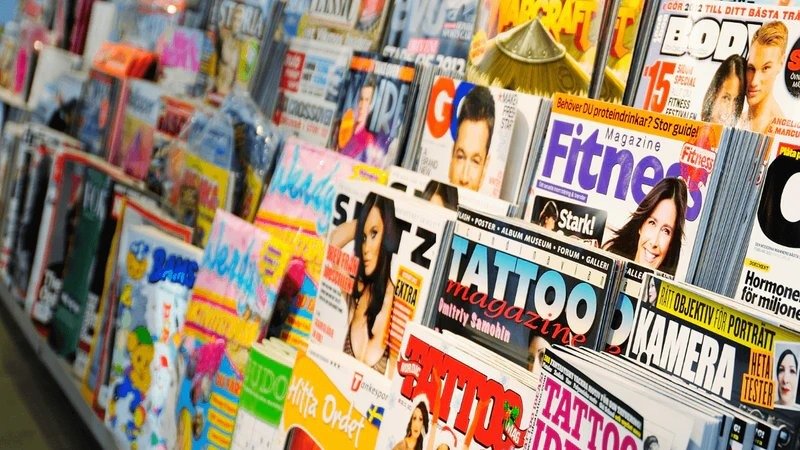
A magazine has long been one of the most powerful storytelling platforms in media. From glossy fashion spreads to investigative journalism and niche hobby publications, it combines visual design, editorial depth, and cultural commentary in a format built for discovery. Readers do not simply consume information in this medium—they experience curated ideas, perspectives, and narratives that reflect the moment in which they live.
Despite massive changes in technology and media consumption, the magazine industry continues to adapt and thrive. Digital platforms, mobile reading habits, and specialized communities have reshaped how publications are produced and distributed. Understanding how this publishing format works today requires exploring its history, editorial structure, creative design, and evolving business models.
Understanding the Core Concept of Magazine Publishing
A magazine is a curated publication released periodically that combines articles, visual storytelling, and editorial themes. Unlike daily news formats, it often prioritizes deeper insights, feature stories, lifestyle perspectives, and long-form narratives that remain relevant beyond a single day’s events.
The format allows editors and writers to present carefully selected content organized around themes or audiences. This approach transforms each issue into a cohesive reading experience where stories, photography, and design elements work together to deliver both information and inspiration.
The Historical Evolution of Print Publications
The roots of modern editorial publishing date back centuries when early periodicals began circulating essays, political commentary, and cultural observations. These early forms gradually evolved into the structured publications recognized today.
Over time, advances in printing technology and distribution networks allowed publishers to reach larger audiences. This expansion helped transform the magazine industry into a global media force capable of shaping public conversation and influencing culture.
How Editorial Vision Shapes Every Issue
Behind every successful publication is a clear editorial vision. Editors carefully define themes, target audiences, and storytelling styles that guide the creation of each issue.
This vision ensures that writers, designers, photographers, and researchers contribute to a unified experience. When executed effectively, readers recognize the tone and identity of a magazine immediately, even before reading a single article.
The Role of Editors in Content Development
Editors serve as both creative leaders and quality controllers within the publishing workflow. They select story ideas, guide writers, and ensure every piece aligns with the publication’s editorial direction.
Beyond editing text, they also collaborate with designers and photographers to ensure visual elements strengthen the storytelling. Their oversight maintains consistency, credibility, and narrative depth throughout each issue.
Writers and Contributors in Feature Storytelling
Feature writing is one of the defining characteristics of long-form editorial publishing. Writers research topics extensively and craft narratives that explore ideas beyond headlines.
Contributors may include journalists, experts, freelancers, and creative storytellers. Their unique voices allow publications to cover diverse subjects ranging from technology and culture to travel, fashion, science, and finance.
Visual Design as a Storytelling Tool
Design plays a critical role in how readers interact with content. Layout choices, typography, color palettes, and photography influence how stories are perceived and remembered.
When visual design aligns with editorial intent, it enhances readability while also creating emotional engagement. A thoughtfully designed page invites readers to pause, explore, and absorb the story more deeply.
Photography and Illustration in Editorial Media
Photography and illustration transform written stories into immersive experiences. Images capture emotion, context, and atmosphere in ways text alone cannot achieve.
For many publications, visuals become iconic elements that define their brand identity. From powerful documentary images to stylized fashion photography, these elements elevate storytelling and shape reader perception.
Audience Targeting and Reader Communities
Every successful publication begins with a clear understanding of its audience. Some focus on broad topics such as culture or news, while others target specialized interests like technology, design, or travel.
By serving a well-defined readership, editors can deliver content that feels relevant and valuable. Over time, this alignment builds loyal communities that trust the publication’s voice and perspective.
Print Versus Digital Reading Experiences
The shift from print to digital distribution has transformed how audiences engage with editorial content. Traditional printed editions offer a tactile reading experience that many readers still value.
Digital formats introduce convenience, searchability, and multimedia integration. Readers can explore interactive graphics, embedded videos, and instant links that extend storytelling beyond the printed page.
The Production Process Behind Each Issue
Producing an issue requires coordination among many professionals working within tight schedules. Story ideas are researched, written, edited, designed, fact-checked, and prepared for publication.
This process often spans weeks or months depending on the complexity of the content. Careful planning ensures that every story fits within the broader theme and timeline of the release.
Content Planning and Editorial Calendars
An editorial calendar acts as the strategic roadmap for publication planning. It outlines themes, feature topics, seasonal relevance, and production deadlines.
By planning content months in advance, editorial teams maintain consistency while also responding to emerging trends. This balance keeps readers engaged while preserving the publication’s long-term identity.
Advertising and Revenue Models
Advertising has traditionally been one of the primary revenue sources for media publications. Brands place advertisements that align with the interests of readers.
In recent years, additional revenue streams have emerged. Sponsored content, digital subscriptions, and partnerships now play important roles in sustaining modern publishing operations.
Business Models in Publishing
Publishing companies operate through a variety of financial strategies that support editorial work and distribution. Some rely heavily on advertising partnerships, while others emphasize subscription revenue.
The sustainability of a magazine often depends on balancing these models while maintaining editorial independence. Readers must trust that content decisions prioritize value rather than purely commercial interests.
Distribution Channels and Market Reach
Distribution determines how content reaches audiences. Traditional print copies may be sold in stores, delivered through subscriptions, or distributed at events.
Digital distribution expands reach significantly. Websites, mobile applications, and social platforms allow publications to connect with global readers instantly.
The Rise of Niche Publications
Specialized publications have become increasingly popular as audiences seek deeper expertise in specific areas. Topics such as gaming, sustainability, entrepreneurship, and design now support dedicated titles.
These niche platforms often build highly engaged communities because readers feel understood and represented. Their focused content also attracts advertisers targeting particular audiences.
Cultural Influence and Media Impact
Editorial publications have historically influenced culture, trends, and public conversation. Fashion trends, political ideas, and artistic movements have often gained visibility through editorial coverage.
Because these platforms combine storytelling with visual presentation, they can amplify emerging voices and ideas. This cultural impact continues to shape industries ranging from entertainment to technology.
The Relationship Between Journalism and Feature Writing
Journalistic principles remain essential in editorial publishing. Accuracy, fairness, and fact-checking help maintain credibility and reader trust.
At the same time, feature storytelling allows writers to explore ideas with greater depth and narrative style. This combination of journalism and storytelling distinguishes magazine writing from daily news reporting.
Table: Print and Digital Publishing Comparison
| Feature | Print Publication | Digital Publication |
| Reading Experience | Physical, tactile, immersive | Interactive, searchable |
| Distribution | Newsstands and subscriptions | Websites, apps, email |
| Visual Elements | Static layouts | Multimedia integration |
| Update Frequency | Periodic issues | Continuous updates |
| Audience Reach | Regional or national | Global and instant |
Both formats offer unique strengths, and many publishers now combine them to maximize audience engagement and brand presence.
Editorial Integrity and Reader Trust
Trust is one of the most valuable assets in publishing. Readers rely on editorial teams to provide accurate, thoughtful, and well-researched information.
Maintaining transparency about sources, sponsorships, and corrections helps strengthen this relationship. Over time, credibility becomes a defining feature of respected publications.
The Importance of Long-Form Storytelling
Long-form storytelling allows writers to explore complex ideas with depth and nuance. Topics such as social change, technological innovation, and cultural trends benefit from extended analysis.
Readers often appreciate this slower, more reflective form of journalism. It provides context and understanding that quick news updates rarely deliver.
Digital Transformation in the Publishing Industry
Technological advances have reshaped how content is created and distributed. Digital tools enable editors to track reader behavior, optimize content performance, and experiment with new storytelling formats.
These innovations allow modern publishers to adapt quickly to changing reader expectations while maintaining the editorial values that define their brand.
Mobile Reading and Changing Habits
Mobile devices have dramatically altered how people consume content. Many readers now explore articles during short moments throughout the day rather than sitting down for extended sessions.
Publishers must design content that remains readable and engaging on smaller screens. Responsive layouts and concise storytelling help accommodate these evolving habits.
The Role of Social Media in Content Discovery
Social platforms have become powerful channels for introducing readers to new stories and publications. Articles often reach audiences through shared posts, curated feeds, and algorithm-driven recommendations.
This environment requires publishers to balance search visibility with shareable storytelling. Strong headlines, compelling visuals, and clear messaging increase the likelihood of content being discovered.
Building a Recognizable Brand Identity
Brand identity helps readers distinguish one publication from another in a crowded media landscape. Visual style, tone of voice, and editorial focus all contribute to this identity.
Consistency across print, digital platforms, and social media strengthens recognition. When audiences immediately recognize a publication’s style, trust and loyalty often follow.
Subscription Strategies and Reader Support
Subscription models have grown increasingly important as publishers seek stable revenue sources. Readers who subscribe often receive exclusive content, early access, or premium experiences.
These strategies help publishers maintain independence while strengthening relationships with loyal audiences who value quality journalism and storytelling.
The Global Reach of Modern Publishing
Digital distribution allows publications to reach readers far beyond their original geographic markets. A story written in one country can now attract readers worldwide within minutes.
This global reach encourages more diverse perspectives and collaborations. Writers, photographers, and experts from different regions contribute insights that enrich editorial content.
Emerging Technologies in Editorial Media
New technologies such as artificial intelligence, immersive graphics, and interactive storytelling are beginning to shape the future of publishing.
These tools allow publishers to experiment with dynamic content experiences that combine text, video, data visualization, and reader interaction.
A Quote on the Power of Editorial Storytelling
“Great publications do more than report information—they capture the spirit of an era and help readers understand the world around them.”
This perspective reflects the enduring value of thoughtful storytelling and careful editorial curation within modern media.
Ethical Considerations in Publishing
Ethical journalism remains fundamental to credible storytelling. Editors must carefully evaluate sources, verify claims, and avoid misleading representations.
Responsible publishing also involves respecting privacy, avoiding conflicts of interest, and ensuring that diverse perspectives are represented fairly.
The Future of Editorial Media
The future of publishing will likely combine traditional storytelling values with innovative digital technologies. Readers still crave meaningful narratives, expert insights, and compelling visuals.
As platforms evolve, publishers that adapt while preserving editorial integrity will continue to thrive. Creativity, adaptability, and audience understanding will remain the keys to long-term success.
Conclusion
The enduring relevance of a magazine lies in its ability to adapt while maintaining its core strengths: curated storytelling, visual creativity, and editorial insight. From its historical roots in print to its modern presence across digital platforms, this format continues to shape how audiences explore ideas and culture.
As media technology evolves, the role of the magazine will likely expand rather than disappear. By combining strong editorial vision with innovative distribution strategies, publishers can continue delivering meaningful content that informs, inspires, and connects readers around the world.
Frequently Asked Questions
What is a magazine in publishing?
A magazine is a periodic publication that features curated articles, photography, and editorial themes designed for specific audiences. It typically focuses on deeper storytelling and lifestyle content rather than daily news reporting.
How often is a magazine published?
A magazine may be released weekly, monthly, quarterly, or at other regular intervals depending on its editorial strategy and production schedule.
What makes magazine writing different from news writing?
Writing in a magazine usually emphasizes narrative storytelling, analysis, and feature reporting. It allows more creativity and depth compared with traditional news formats.
Are magazines still popular in the digital age?
Yes, the magazine format remains influential. Many publications now combine print editions with websites, mobile apps, and digital subscriptions to reach wider audiences.
What topics do magazines usually cover?
A magazine can focus on nearly any subject, including fashion, technology, finance, health, travel, culture, science, and entertainment. Many specialize in specific interests to serve targeted communities.