

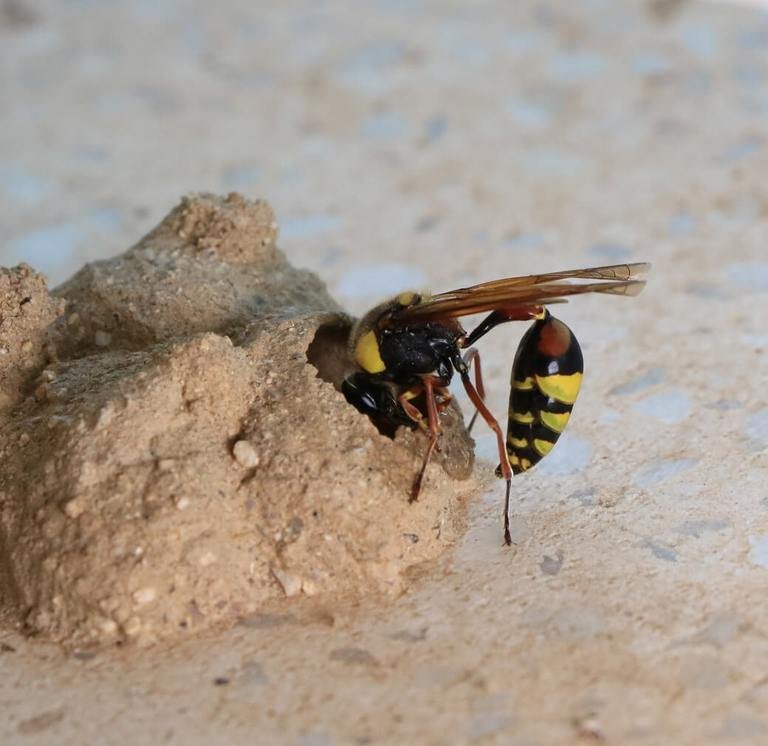
Introduction Dirt Dobber
Dirt Dobber If you’ve ever noticed small tubes or clumps of dried mud attached to the walls of your garage, porch, shed, or attic, you’ve probably encountered a dirt dobber. Although many people use the term “dirt dobber,” the insect is more commonly known as the mud dauber. These solitary wasps are famous for building unique nests out of mud rather than living in large colonies like yellowjackets or hornets.
At first glance, a dirt dobber may look intimidating because of its long body and narrow waist. However, appearances can be misleading. Unlike many other wasps, dirt dobbers are generally non-aggressive and rarely sting humans unless they are directly handled or threatened. Their calm nature makes them one of the least troublesome wasp species found around homes.
In this guide, you’ll learn what dirt dobbers are, where they live, how they build their nests, what they eat, whether they’re dangerous, and why they actually play an important role in maintaining a healthy ecosystem.
What Is a Dirt Dobber?
A dirt dobber is a type of solitary wasp that builds nests using mud collected from damp soil. Instead of creating large paper nests filled with hundreds of insects, each female constructs her own individual nest where she raises her offspring independently.
These wasps belong to several species within the mud dauber group. While they vary slightly in color and appearance, most share similar characteristics, including slender bodies, long legs, and extremely narrow waists that distinguish them from other wasp species.
Unlike social wasps, dirt dobbers don’t work together in colonies. Each female gathers mud, hunts for prey, lays eggs, and seals each nesting chamber without assistance. This solitary behavior is one of the reasons they are much less aggressive than many other wasps commonly found around homes.
How Dirt Dobbers Build Their Mud Nests
One of the most fascinating characteristics of dirt dobbers is their remarkable nest-building ability. The female searches for moist soil or mud, shapes it into small pellets, and carries each piece to the chosen nesting location. She repeats this process dozens of times until the nest is complete.
The finished nest usually consists of several narrow tubes or small compartments made entirely from dried mud. These structures are surprisingly durable and often remain attached to walls, ceilings, barns, garages, bridges, or outdoor furniture long after the insects have left.
Once a chamber is finished, the female places captured prey inside before laying a single egg. She then seals the compartment with another layer of mud and begins constructing the next chamber. This careful process ensures each developing larva has its own protected food supply.
What Do Dirt Dobbers Eat?
Adult dirt dobbers primarily feed on nectar from flowers, making them occasional pollinators. Like many beneficial insects, they visit blooming plants while searching for food, helping transfer pollen between flowers during the process.
Their larvae, however, require a completely different diet. Female dirt dobbers hunt spiders and occasionally other small insects to provide fresh food for their young. Instead of killing the spiders immediately, they usually paralyze them with their sting, keeping them alive but unable to escape.
After placing several immobilized spiders inside a mud chamber, the female lays one egg before sealing the nest. When the larva hatches, it feeds on the stored prey until it matures enough to become an adult wasp. This unique hunting strategy plays an important role in naturally controlling spider populations.
Are Dirt Dobbers Dangerous?
Despite their intimidating appearance, dirt dobbers are generally considered harmless to humans. They rarely become aggressive because they have no large colony to defend. Most encounters occur when the insects are quietly building nests or searching for food.
Stings from dirt dobbers are uncommon. In most cases, they sting only if someone grabs them directly or accidentally traps them against the skin. Their behavior is much calmer than that of yellowjackets, paper wasps, or hornets, which actively defend their nests.
Although most people experience only mild discomfort if stung, individuals with severe insect sting allergies should always exercise caution around any wasp species. As with bees and other stinging insects, allergic reactions require prompt medical attention.
Why Dirt Dobbers Are Beneficial
Many homeowners assume every wasp is a pest, but dirt dobbers actually provide several ecological benefits. Their spider-hunting behavior helps reduce populations of spiders around homes, gardens, barns, and outdoor structures.
They also contribute to pollination while feeding on flower nectar. Although they are not as efficient as bees, their visits to flowering plants still support healthy ecosystems and plant reproduction.
Perhaps their greatest benefit is maintaining ecological balance. Every insect plays a role within its environment, and dirt dobbers help regulate populations of smaller arthropods while serving as food for birds, reptiles, and other wildlife higher up the food chain.
Where Dirt Dobbers Commonly Build Nests
Dirt dobbers prefer sheltered locations protected from rain and strong winds. Garages, sheds, barns, attics, carports, covered porches, and storage buildings provide ideal nesting sites because they offer stable surfaces and protection from harsh weather.
Outdoor equipment often becomes another favorite location. Lawn mowers, tractors, grills, gardening tools, and even unused vehicles sometimes develop mud nests if left undisturbed for long periods.
Occasionally, dirt dobbers build nests inside pipes, vents, machinery, or electrical boxes. For this reason, inspecting equipment before seasonal use can help prevent unexpected maintenance issues caused by abandoned mud nests.
How to Remove Dirt Dobber Nests Safely
If a mud nest appears in an inconvenient location, removing it is usually straightforward. Since dirt dobbers rarely defend their nests aggressively, abandoned nests can often be scraped away using a putty knife or similar tool after ensuring no active insects remain inside.
Cleaning the surface afterward helps remove any remaining mud residue. Washing the area with soap and water also discourages future nesting by eliminating scent markers that may attract other females.
For active nests located near frequently used entrances or work areas, waiting until evening or after the wasps have naturally completed their life cycle often provides the safest removal option. Professional pest control may be appropriate if nests become unusually numerous.
How to Prevent Dirt Dobbers Around Your Home
Preventing dirt dobbers begins with reducing attractive nesting sites. Regularly inspecting garages, sheds, barns, and covered patios allows homeowners to remove new nests before they become permanent structures.
Sealing cracks, repairing damaged screens, and covering exposed openings also reduces available nesting locations. Areas that remain clean and frequently disturbed are generally less appealing to solitary wasps than quiet, undisturbed spaces.
Limiting access to moist mud near buildings may also discourage nesting. While it’s impossible to eliminate all natural mud sources, improving drainage and reducing standing water can make nearby areas less attractive for nest construction.
Common Myths About Dirt Dobbers
One widespread myth is that dirt dobbers aggressively attack people. In reality, these wasps are among the most peaceful members of the wasp family and usually ignore humans entirely while going about their daily activities.
Another misconception is that every mud nest contains active insects. Many nests become abandoned after young wasps emerge, leaving only empty mud structures attached to buildings. Finding an old nest doesn’t necessarily indicate a current infestation.
Some people also believe dirt dobbers damage homes. Fortunately, their mud nests attach only to the surface and rarely cause structural damage. Removing the dried mud typically restores the original appearance without lasting effects.
Conclusion
Dirt dobbers may not be the most popular insects around homes, but they are certainly among the most fascinating. Their ability to build intricate mud nests, hunt spiders with remarkable precision, and live independently sets them apart from more aggressive wasp species.
Rather than viewing every dirt dobber as a pest, it’s worth recognizing the valuable ecological services these insects provide. They naturally control spider populations, contribute to pollination, and play an important role in maintaining balanced ecosystems. Their calm behavior also means they rarely pose a threat to people or pets.
If you discover a dirt dobber nest around your property, there’s usually no reason to panic. With a basic understanding of their behavior and life cycle, homeowners can make informed decisions about whether to leave the nest alone or remove it safely. Appreciating these unique insects helps us better understand the important roles even the smallest creatures play in the natural world.