

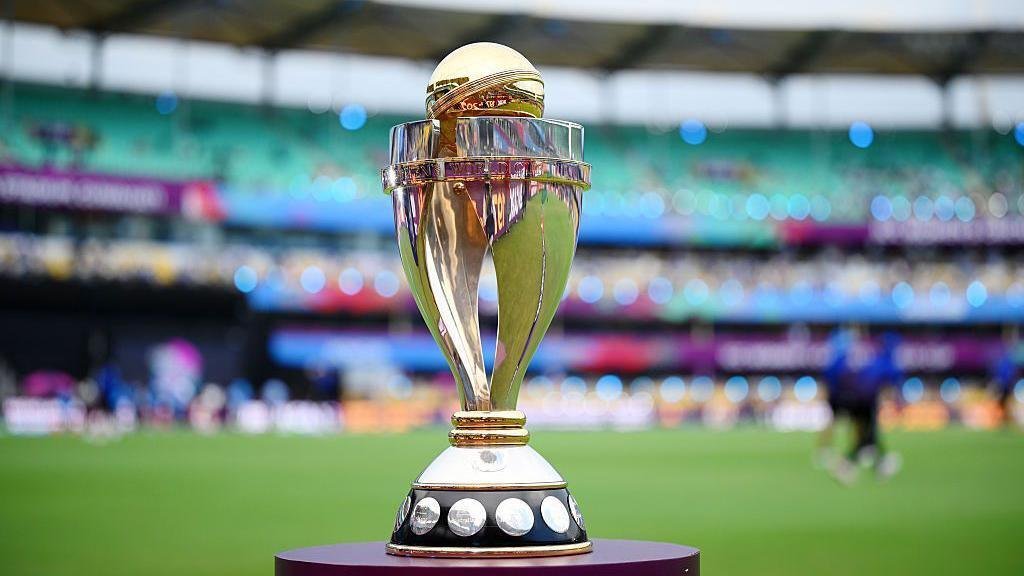
The Audacious Origin Story: Shaking Up the Global Stage
Women’s Cricket World Cup Long before the men’s version was even a corporate daydream, women’s cricket was already setting the blueprint for global dominance. In 1973, a full two years before the first men’s tournament kicked off, the inaugural Women’s Cricket World Cup took place on the green outfields of England. Organized by the visionary International Women’s Cricket Council, this ground-breaking tournament proved that the women’s game had both the competitive fire and the tactical depth to command an international audience.Women’s Cricket World Cup It didn’t boast massive commercial endorsements or prime-time television slots, but it possessed something far more potent: raw passion and unmatched grit.Women’s Cricket World Cup
The early days were defined by these shoestring budgets and a community-driven love for the sport.Women’s Cricket World Cup Players routinely funded their own travel, balancing full-time careers with elite-level training regimens just to wear their national colors. The inaugural tournament featured only seven teams, and the matches were a grueling 60 overs per side.Women’s Cricket World Cup Yet, the sheer quality of play, spearheaded by pioneers who refused to let their talents go unnoticed, laid an indestructible foundation. It was an era of setting precedents, proving skeptics wrong, and cultivating a fierce rivalry that would define the sport for decades to come.Women’s Cricket World Cup
Understanding this historic head start is vital because it reframes the narrative around modern women’s sports. Women’s cricket isn’t merely catching up to the men’s game; it has been paving its own parallel road for more than half a century.Women’s Cricket World Cup The structural shifts from those humble 1970s afternoons to today’s multi-million-dollar spectaculars reflect a profound cultural awakening.Women’s Cricket World Cup What began as a bold, self-funded experiment has evolved into a powerhouse of international athletics, forever altering how the world perceives women in sports.Women’s Cricket World Cup
The Golden Era of Dominance: Australia, England, and the Shift in Power
For a significant portion of World Cup history, if you wanted to lift the trophy, you had to find a way past the formidable duopoly of Australia and England. Australia, in particular, established a standard of cricketing excellence that bordered on the legendary, stockpiling trophies and cultivating an unparalleled winning culture. Their tactical awareness, athletic development, and psychological edge made them the team to beat in almost every single iteration. Meanwhile, England remained their eternal shadow and primary challenger, consistently producing world-class talents capable of turning any match on its head.
However, sports are inherently cyclical, and the most compelling chapters of the Women’s Cricket World Cup are written when the traditional script is torn apart. The modern era has witnessed an incredibly welcome democratization of talent across the globe. Teams like South Africa and New Zealand transitioned from scrappy underdogs into relentless powerhouse contenders. The emergence of highly competitive domestic leagues globally has acted as a hyper-accelerator for this shift. Young players are now exposed to high-pressure environments, international tactics, and professional coaching long before they ever earn their senior international caps.
The ultimate testament to this shifting landscape arrived during the unforgettable 2025 ICC Women’s Cricket World Cup. Hosted across the vibrant, spin-friendly pitches of the subcontinent, the tournament culminated in a historic shift in the global hierarchy. In a thrilling final at Navi Mumbai, India broke through the glass ceiling to defeat South Africa and secure their maiden ODI World Cup title. By dethroning the mighty Australians in the semi-finals, India proved that the old guard no longer holds a monopoly on global glory. This milestone fundamentally reshaped the competitive ecosystem, proving to the world that any team, on any given day, can achieve immortality.
Tactical Evolution: How the 50-Over Game Became a High-Octane Thriller
The tactical playbook of the Women’s Cricket World Cup has undergone a radical transformation over the last decade. Gone are the days when ODI cricket was viewed simply as a game of cautious accumulation and defensive fields. Today’s top-tier international sides approach the 50-over format with an aggressive, high-risk, high-reward mindset heavily influenced by the explosion of Twenty20 cricket. Openers walk out with the explicit intent of maximizing the mandatory powerplays, targeting the boundary fields, and clearing the inner ring with terrifying regularity.
This transformation isn’t just about bat speed; it is also a direct byproduct of revolutionary sports science and institutional professionalization. Modern cricketers are elite, multi-dimensional athletes who train with the same intensity as their male counterparts. Boundaries that once seemed safely out of reach are cleared effortlessly, and fielding standards have skyrocketed to spectacular heights. Athleticism in the deep, lightning-fast direct hits, and gravity-defying boundary catches are no longer rare highlights—they are standard expectations in every single group stage fixture.
Simultaneously, tactical variations have become incredibly sophisticated. Captains can no longer rely on simple, predictable line-and-length bowling to stifle run rates. Bowlers have had to develop a bewildering arsenal of variations, including knuckleballs, back-of-the-hand slower deliveries, and lethal yorkers to counter modern 360-degree batters. The introduction of advanced data analytics has further sharpened these tactical battle lines. Matchups are meticulously analyzed in team meetings, with specific bowling angles and field placements tailored to exploit the microscopic weaknesses of individual batters, making the World Cup a captivating chess match played at breakneck speed.
Commercial Boom and Cultural Impact: The World is Finally Watching
There was a time when finding a live broadcast of a Women’s World Cup match required deep internet sleuthing or an incredibly niche cable subscription. Thankfully, those days are firmly in the rearview mirror. Today, the Women’s Cricket World Cup is a bona fide media juggernaut, drawing record-shattering television viewership numbers and attracting blue-chip corporate sponsors eager to align with the sport’s inspiring narrative. Broadcast production values now feature ultra-motion cameras, immersive drone angles, and elite analytical commentary teams, providing the product with the premium presentation it has always richly deserved.
This commercial validation has triggered a massive, compounding ripple effect on stadium attendances worldwide. Modern tournaments regularly witness packed houses, with tens of thousands of passionate fans chanting in unison, creating an electric atmosphere that rivals any major global sporting event. The fans filling these seats represent a beautiful cultural shift—a diverse demographic of families, young girls, and lifelong cricket purists who are judging the game solely on its high-octane entertainment value and technical brilliance.
Beyond the balance sheets and TV ratings, the true victory of the modern World Cup lies in its staggering societal impact. Every time a player scores a clutch century under immense pressure or bowls a match-winning final over, they shatter deep-seated stereotypes about women in sport. They serve as highly visible, relatable role models for millions of young children worldwide. The message echoing from the grand stages of the World Cup is loud, clear, and undeniable: cricket is not a gender-defined pastime; it is a universal language of skill, passion, and elite human achievement.
Looking Ahead: The Expanding Horizon of the Global Game
As we cast our eyes toward the future, the trajectory of the Women’s Cricket World Cup points firmly upward, showing absolutely zero signs of slowing down. The International Cricket Council (ICC) has committed to a systematic expansion of its global tournaments, ensuring that more associate nations receive the crucial resources, competitive pathways, and exposure needed to test themselves against the elite. This strategic expansion is vital for the sport’s longevity, as it introduces diverse playing styles, unearths hidden gems from non-traditional cricketing regions, and builds a truly global footprint.
Furthermore, the seamless synergy between the traditional 50-over World Cup and the fast-paced T20 World Cup format is creating a highly effective, year-round narrative. For example, fresh off the back of the historic 50-over tournament, the cricketing world instantly pivoted to the 2026 ICC Women’s T20 World Cup hosted in England. That tournament saw a clinical Australian side reclaim their shorter-format throne by defeating England in a grand spectacle at Lord’s. This constant, high-stakes international calendar ensures that women’s cricket remains at the absolute forefront of the global sporting consciousness.
The future will also undoubtedly bring further advancements in technology, player welfare, and grassroots infrastructure. As domestic leagues mature and financial parity inches closer to reality, the pool of athletic talent will only grow deeper and more competitive. The Women’s Cricket World Cup has successfully transitioned from a brave, isolated tournament into the crown jewel of a thriving global ecosystem. It stands as a brilliant testament to what happens when incredible talent is met with genuine opportunity, and the world can’t wait to see what history these athletes write next.