

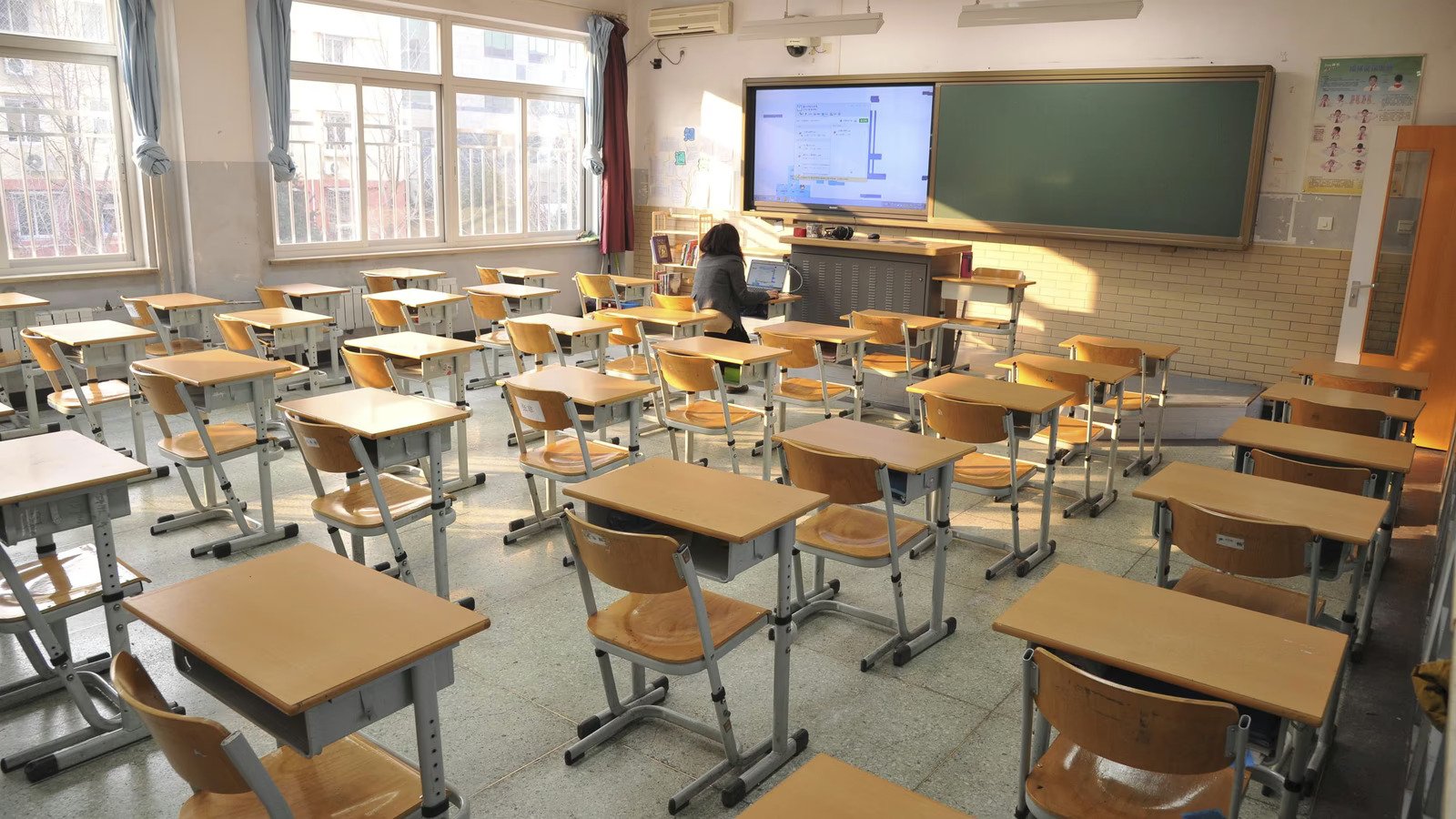
Introduction to Mexi Classroom
Mexi Classroom The educational landscape has changed dramatically over the past decade. Technology, student expectations, and teaching methodologies have evolved, creating a demand for more dynamic and engaging learning environments. This is where the concept of a Mexi Classroom has gained attention among educators and learners alike.
A Mexi Classroom represents a modern approach to education that blends creativity, technology, collaboration, and student-centered learning. Rather than relying solely on traditional teaching methods, it encourages interactive experiences that make learning more meaningful and effective. The goal is not just to transfer knowledge but to inspire curiosity and active participation.
As educational institutions continue to adapt to changing needs, the Mexi Classroom model offers a fresh perspective. It focuses on creating an environment where students feel motivated, empowered, and connected to the learning process. Whether implemented in schools, colleges, or training centers, this approach has the potential to enhance educational outcomes significantly.
The Core Principles Behind a Mexi Classroom
At its foundation, a Mexi Classroom emphasizes student engagement. Traditional classrooms often place the teacher at the center of the learning experience, while students play a more passive role. In contrast, this model encourages students to become active participants in discussions, projects, and problem-solving activities.
Another important principle is flexibility. Learning is not a one-size-fits-all process, and students have different strengths, interests, and learning styles. A Mexi Classroom accommodates these differences by offering diverse learning opportunities and allowing students to explore concepts in ways that work best for them.
Collaboration is also a major component. Students are encouraged to work together, exchange ideas, and develop teamwork skills. This collaborative atmosphere not only improves academic understanding but also helps students build communication and leadership abilities that are valuable beyond the classroom.
How Technology Enhances the Mexi Classroom Experience
Technology plays a crucial role in the success of a Mexi Classroom. Digital tools can make lessons more interactive and accessible, helping students engage with content in ways that traditional textbooks alone cannot achieve. Interactive presentations, educational applications, and multimedia resources create richer learning experiences.
Online learning platforms provide additional flexibility by allowing students to access materials anytime and anywhere. This accessibility supports independent learning and enables students to review lessons at their own pace. As a result, learners gain greater control over their educational journey.
Furthermore, technology helps teachers track progress more effectively. Digital assessments, analytics tools, and learning management systems provide valuable insights into student performance. These insights allow educators to identify challenges early and provide personalized support where needed.
Creating an Engaging Learning Environment
An engaging classroom environment is essential for student success. In a Mexi Classroom, the physical and emotional atmosphere is carefully designed to encourage participation and creativity. Comfortable seating arrangements, collaborative workspaces, and visually appealing learning materials contribute to a positive educational experience.
Students are more likely to engage when they feel respected and valued. Teachers in a Mexi Classroom foster open communication and encourage students to share their thoughts without fear of judgment. This supportive environment helps build confidence and promotes active involvement.
Engagement also increases when lessons are relevant to real-world situations. Connecting classroom concepts to practical applications allows students to understand the value of what they are learning. This relevance often leads to higher motivation and better retention of information.
The Role of Teachers in a Mexi Classroom
Teachers remain central to the learning process, but their role evolves within a Mexi Classroom setting. Instead of acting solely as lecturers, educators become facilitators who guide students through learning experiences and encourage critical thinking.
This approach requires teachers to be adaptable and creative. They must design activities that stimulate curiosity while ensuring that educational objectives are met. By incorporating discussions, group projects, and hands-on exercises, teachers create opportunities for deeper learning.
Additionally, educators serve as mentors who support students’ academic and personal growth. Building strong relationships with learners helps establish trust and encourages students to seek guidance when needed. This mentorship aspect is one of the key strengths of the Mexi Classroom model.
Benefits of the Mexi Classroom Approach
One of the most significant benefits of a Mexi Classroom is improved student engagement. When learners actively participate in lessons, they are more likely to understand and retain information. This increased involvement often translates into better academic performance.
Another advantage is the development of essential life skills. Through collaboration, communication, and problem-solving activities, students gain abilities that are valuable in both professional and personal settings. These skills prepare them for future challenges and opportunities.
The Mexi Classroom also promotes creativity and innovation. By encouraging students to explore ideas, ask questions, and experiment with solutions, it nurtures a mindset of continuous learning. This creative approach helps students become more adaptable in an ever-changing world.
Challenges in Implementing a Mexi Classroom
Despite its advantages, implementing a Mexi Classroom can present challenges. One common obstacle is access to resources. Schools and institutions may need additional technology, training, and infrastructure to fully adopt this educational model.
Teacher preparation is another important factor. Educators must be equipped with the knowledge and skills necessary to facilitate interactive and technology-driven learning experiences. Professional development programs play a critical role in supporting this transition.
There can also be resistance to change from students, parents, or educational administrators who are accustomed to traditional teaching methods. Overcoming this resistance requires clear communication about the benefits and long-term value of a more modern learning approach.
Strategies for Building a Successful Mexi Classroom
Creating a successful Mexi Classroom begins with establishing clear goals. Educators should identify the skills, knowledge, and experiences they want students to gain. These objectives provide direction and help ensure that activities remain purposeful and effective.
Integrating technology thoughtfully is equally important. Technology should enhance learning rather than serve as a distraction. Selecting appropriate tools and aligning them with educational goals helps maximize their impact on student engagement and achievement.
Continuous feedback is another essential strategy. Regular assessments, student reflections, and classroom discussions provide valuable insights into what is working and what needs improvement. This feedback-driven approach allows educators to refine their methods and create better learning experiences.
The Future of Mexi Classroom Learning
The future of education is likely to be increasingly influenced by the principles associated with the Mexi Classroom. As technology continues to advance, new opportunities for personalized and interactive learning will emerge. Virtual reality, artificial intelligence, and adaptive learning systems may become standard components of modern classrooms.
Educational institutions are also recognizing the importance of preparing students for a rapidly changing world. Traditional memorization-based learning is gradually being replaced by approaches that emphasize critical thinking, collaboration, and creativity. The Mexi Classroom aligns perfectly with these evolving priorities.
As more schools adopt innovative teaching practices, the Mexi Classroom concept may continue to expand and evolve. Its focus on engagement, flexibility, and student empowerment positions it as a valuable model for the future of education.
Conclusion
The Mexi Classroom represents a forward-thinking approach to modern education. By combining technology, collaboration, flexibility, and student-centered learning, it creates an environment where learners can thrive academically and personally.
Its emphasis on engagement and real-world relevance helps students develop not only academic knowledge but also essential life skills. While implementation may require investment and adaptation, the potential benefits make it a worthwhile educational model.
As education continues to evolve, the Mexi Classroom offers a promising vision for the future. Institutions that embrace this approach can create meaningful learning experiences that inspire students, support educators, and prepare learners for success in an increasingly complex world.